
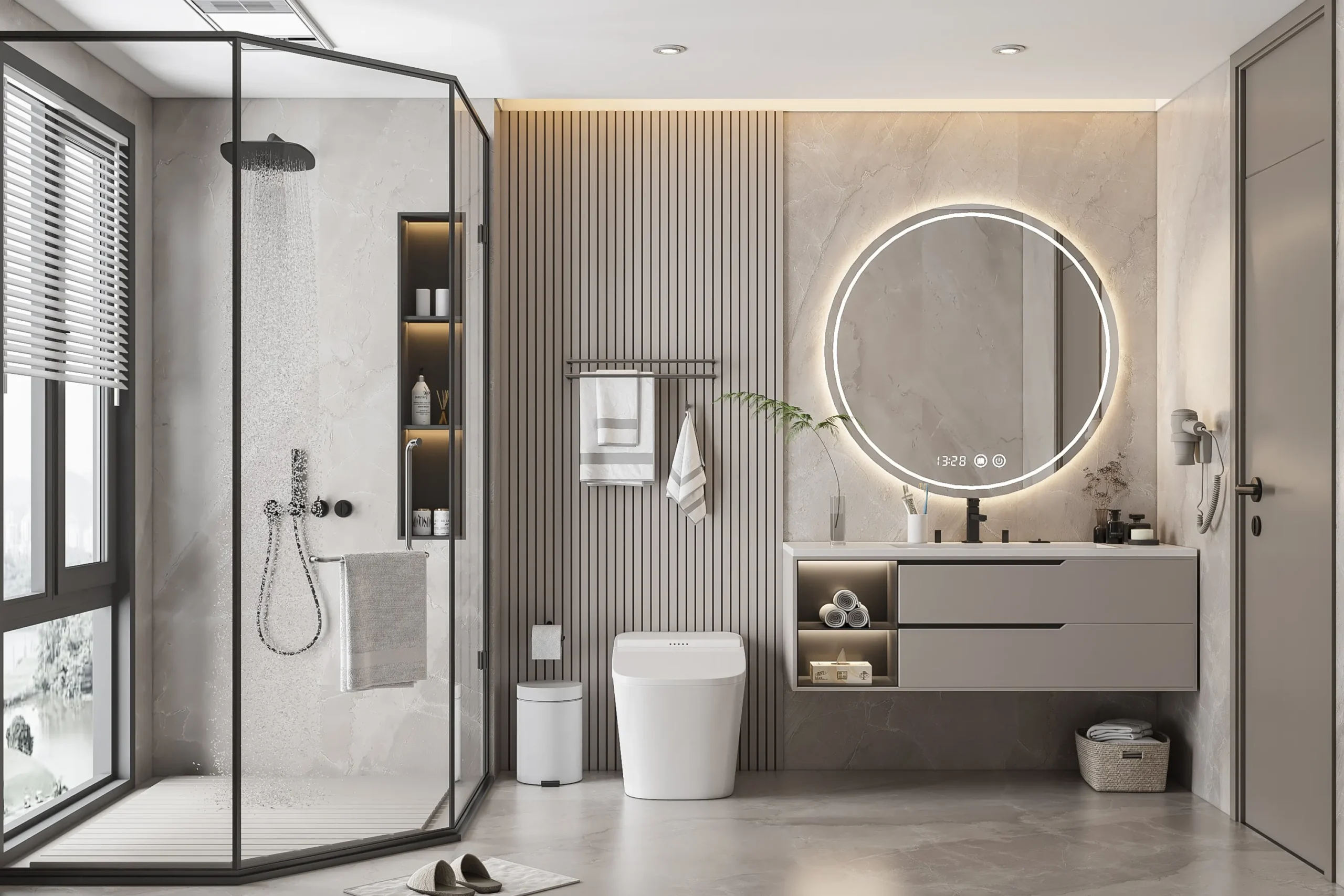
When people look for a bathroom vanity, they often start with the design.
They compare colors, drawer layouts, handles, countertops and overall style.
But there is another question that matters just as much:
How well will the vanity handle water and humidity over time?
A bathroom is not an easy environment for furniture. Water splashes around the sink, steam fills the room, and the cabinet may be exposed to moisture every day.
This is why choosing a waterproof or moisture-resistant bathroom vanity is not simply about choosing a material that “doesn’t get wet.”
The way the cabinet is built matters too.
Why Water Resistance Matters in a Bathroom Vanity
A bathroom vanity sits in one of the most humid areas of a home.
Even if water is not directly sprayed onto the cabinet, moisture can reach the cabinet through:
- Water splashes from the sink
- Steam from showers
- Wet towels
- Condensation
- Damp floors
- Everyday cleaning
Over time, repeated moisture exposure can cause problems for some cabinet materials.
Edges may swell, surfaces can peel, and poorly protected areas may become difficult to maintain.
For this reason, when choosing a bathroom vanity, it is worth looking beyond the appearance and asking how the cabinet is actually constructed.
Is the Cabinet Material Enough?
The material is important, but it is only one part of the equation.
For example, a bathroom cabinet may use a moisture-resistant material, but if water can easily enter through poorly treated edges or joints, the overall cabinet may still have problems.
A better way to think about a waterproof bathroom vanity is as a complete system:
Material + Panel Construction + Edges + Joints + Surface Finish + Installation
Each part has a role.
This is also where aluminum bathroom vanities have an interesting advantage.
1. Start With a Moisture-Resistant Cabinet Material
The first thing to consider is the cabinet material itself.
Traditional bathroom vanities can be made from materials such as MDF, plywood, particle board, PVC or solid wood. Their performance can vary depending on the specific material, surface treatment and construction.
Aluminum is different.
Aluminum itself does not absorb water like wood-based materials.
This makes aluminum an attractive material for bathroom furniture, especially in environments where humidity and regular water exposure are unavoidable.
An aluminum bathroom vanity can therefore provide a solid foundation for a moisture-resistant cabinet design.
But the material alone is not enough.
The rest of the cabinet still needs to be properly designed.
2. Panel Construction Matters
Not all aluminum panels are constructed in exactly the same way.
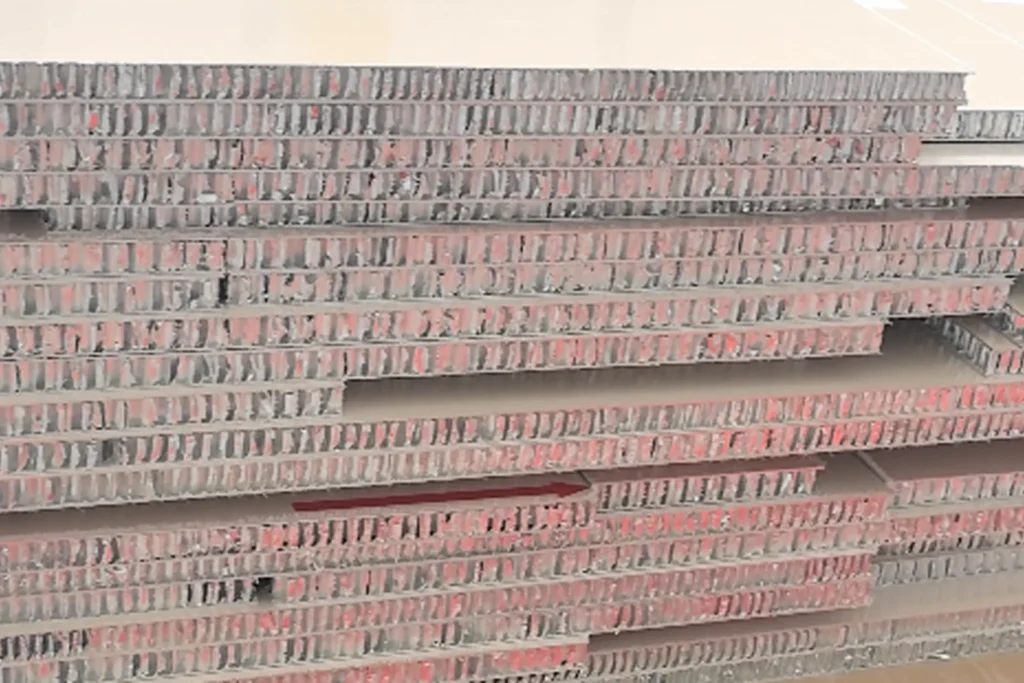
For furniture applications, aluminum honeycomb panels are one option.
A typical aluminum honeycomb panel consists of aluminum skins with a honeycomb structure inside.
The honeycomb structure provides support while keeping the panel relatively lightweight.
For bathroom furniture, this type of panel construction can be useful because the cabinet can remain relatively light while maintaining the rigidity needed for everyday use.
The important point is that the panel should be selected according to the application.
Thickness, aluminum skin, core structure, panel construction and surface finish all need to work together.
This is why simply asking whether a cabinet is “made of aluminum” does not tell you everything about its quality.
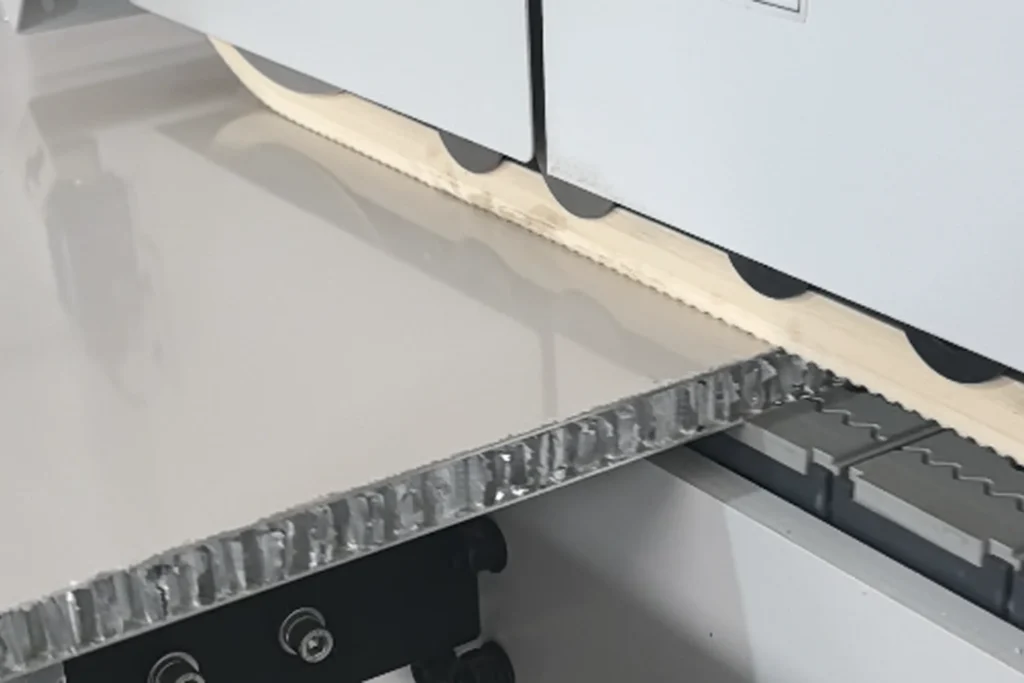
3. Don’t Ignore the Cabinet Edges
Edges are easy to overlook.
When you look at a finished bathroom vanity, you mainly see the front and side surfaces. The edges are usually much less noticeable.
But from a manufacturing perspective, edges deserve attention.
The way a panel edge is processed and finished affects the final appearance, structural connection and protection of the panel.
For bathroom furniture, proper edge treatment is especially useful around areas that may be exposed to moisture.
A well-finished cabinet should not only look good from the front.
The less visible parts need to be considered as part of the overall cabinet design as well.
4. The Joints and Connections Matter
A cabinet is made from multiple components.
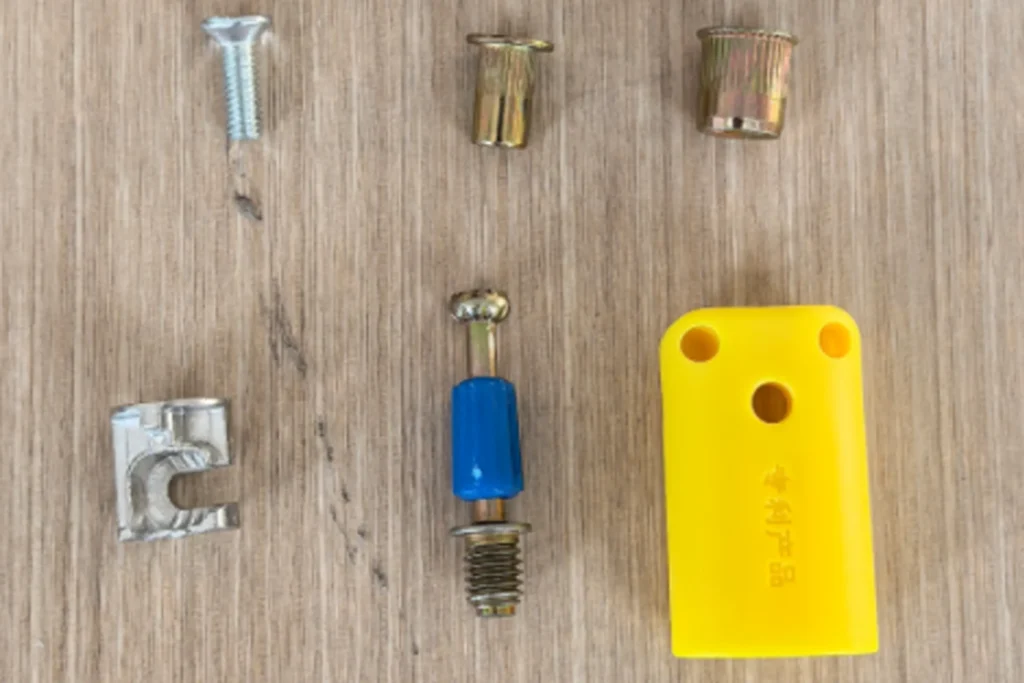
Even if every individual panel has good moisture resistance, the finished cabinet still contains:
- Panel connections
- Corners
- Fasteners
- Hardware
- Drawer openings
- Door openings
- Internal partitions
These areas need to be designed and assembled correctly.
For example, a poorly aligned joint can affect both the appearance and the stability of the cabinet.
Good manufacturing is therefore not just about cutting panels and putting them together.
The dimensions, connection points and assembly process all need to work together.
5. Pay Special Attention to the Sink Area
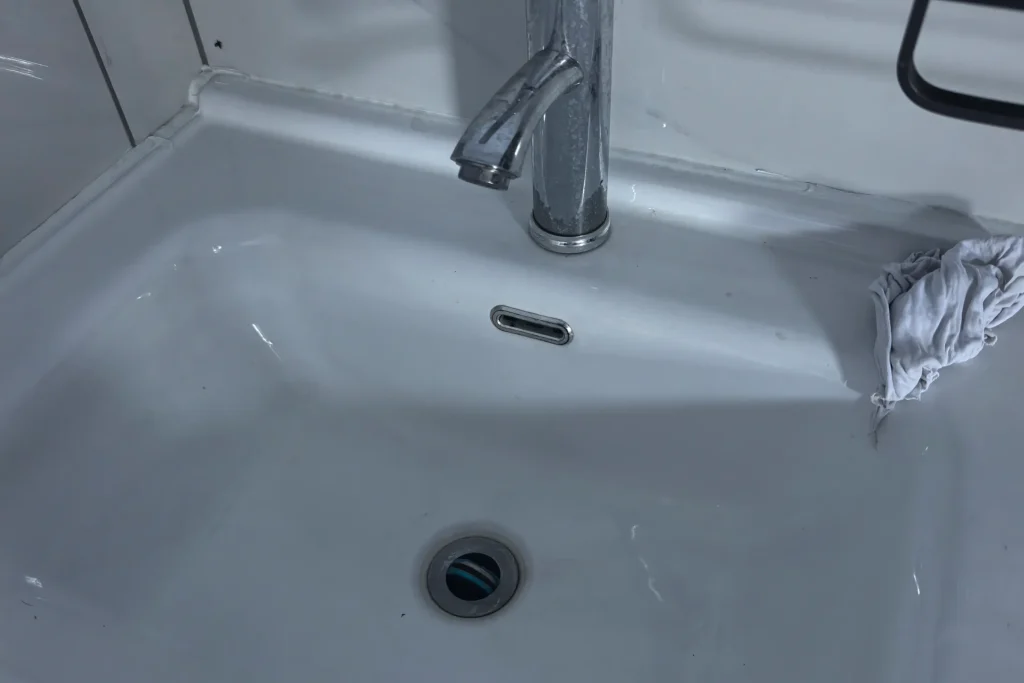
The area around the sink is one of the most important parts of a bathroom vanity.
It is naturally exposed to more water than the rest of the cabinet.
The vanity needs to accommodate the sink, countertop and plumbing connections while keeping the cabinet structure practical and easy to maintain.
For a custom bathroom vanity, these dimensions should ideally be confirmed before production.
The position of the drain, pipes, sink and internal storage can all affect the final cabinet layout.
This is especially important for project applications such as hotels, apartments and residential developments, where different bathroom layouts may require different cabinet configurations.
6. Surface Finish Is Part of the Design
The surface finish affects more than just the appearance of an aluminum bathroom vanity.
It also becomes part of the cabinet’s outer surface and therefore needs to be suitable for the intended environment.
Depending on the design, aluminum bathroom cabinets can use different finishes, including:
- Powder coating
- Decorative film
- Wood-grain finishes
- Matte finishes
- Solid colors
This gives aluminum furniture much more design flexibility than some people expect.
An aluminum bathroom vanity does not have to look metallic or industrial.
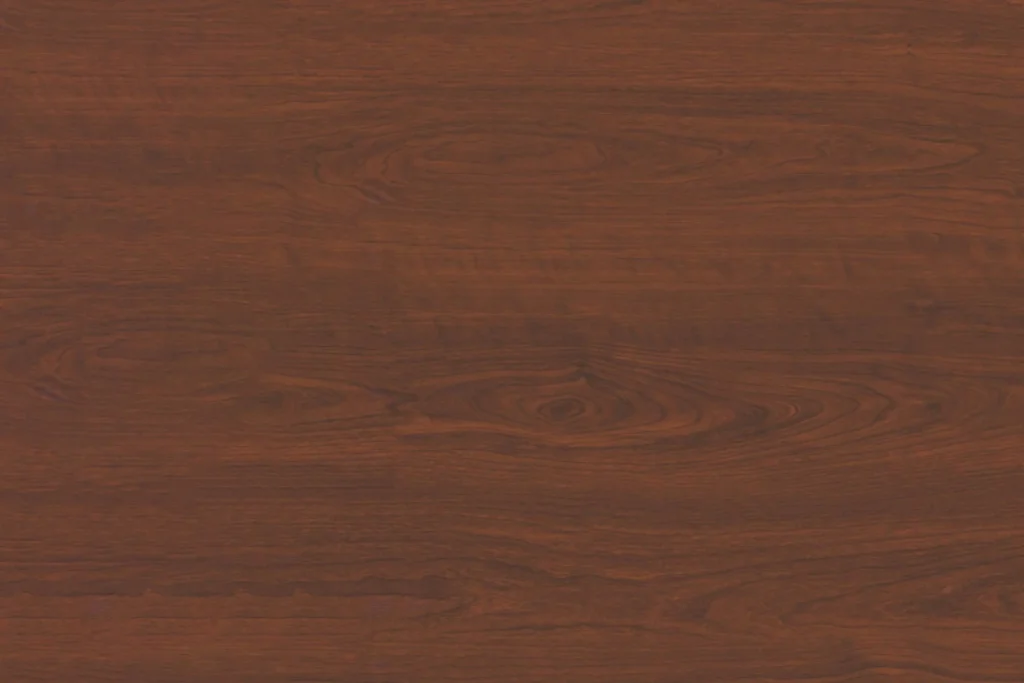
A wood-grain finish, for example, can create a warmer appearance while keeping the underlying cabinet structure based on aluminum.
7. Installation Still Matters
Even a well-made bathroom vanity can have problems if it is installed incorrectly.
The cabinet should be properly aligned and securely installed.
Water should not be allowed to accumulate around the cabinet for long periods, and plumbing connections should be checked carefully.
For wall-mounted or floating bathroom vanities, the wall structure and mounting system also need to be suitable for the cabinet and countertop load.
In other words:
A moisture-resistant cabinet still needs a proper installation environment.
Good material and good manufacturing cannot completely compensate for poor installation.
What Should You Look for When Buying a Waterproof Bathroom Vanity?
If you are comparing different bathroom vanities, don’t only ask:
“Is it waterproof?”
Ask a few more specific questions.
What is the cabinet made of?
Find out what material is actually used for the cabinet body and panels.
How are the panels constructed?
If aluminum is used, ask about the panel structure, thickness and construction.
How are the edges finished?
Look at how exposed panel edges and connection areas are treated.
What type of surface finish is used?
Ask whether the cabinet uses powder coating, decorative film or another surface treatment.
How is the cabinet assembled?
The connection system and overall structure can affect stability and long-term use.
How is the sink area designed?
Make sure the cabinet works with the sink, countertop and plumbing configuration.
Is it suitable for the intended environment?
A bathroom in a humid coastal area, a hotel bathroom and a private residential bathroom may have different requirements.
So, Is Aluminum a Good Choice for a Waterproof Bathroom Vanity?
There is no single material that is perfect for every bathroom.
But aluminum has some characteristics that make it particularly interesting for bathroom furniture.
It does not absorb water like wood-based materials, it is easy to maintain, and it can be combined with different panel structures and surface finishes.
More importantly, aluminum allows manufacturers to build a bathroom vanity around the requirements of a humid environment rather than simply adapting a conventional piece of furniture to the bathroom.
That makes aluminum worth considering for homeowners, designers, contractors and project buyers looking for a moisture-resistant bathroom cabinet.
A Waterproof Bathroom Vanity Is More Than a Material
When choosing a bathroom vanity, it is tempting to focus on one feature:
“Is the material waterproof?”
But a better question is:
“How well is the entire cabinet designed for a humid environment?”
The material, panel structure, edge treatment, connections, surface finish, sink area and installation all contribute to the final result.
Aluminum provides a strong starting point because of its natural resistance to moisture.
The quality of the finished bathroom vanity, however, comes from how that material is turned into a complete cabinet.
If you are comparing waterproof bathroom vanities or looking for a custom aluminum bathroom vanity, we are happy to discuss your requirements.