
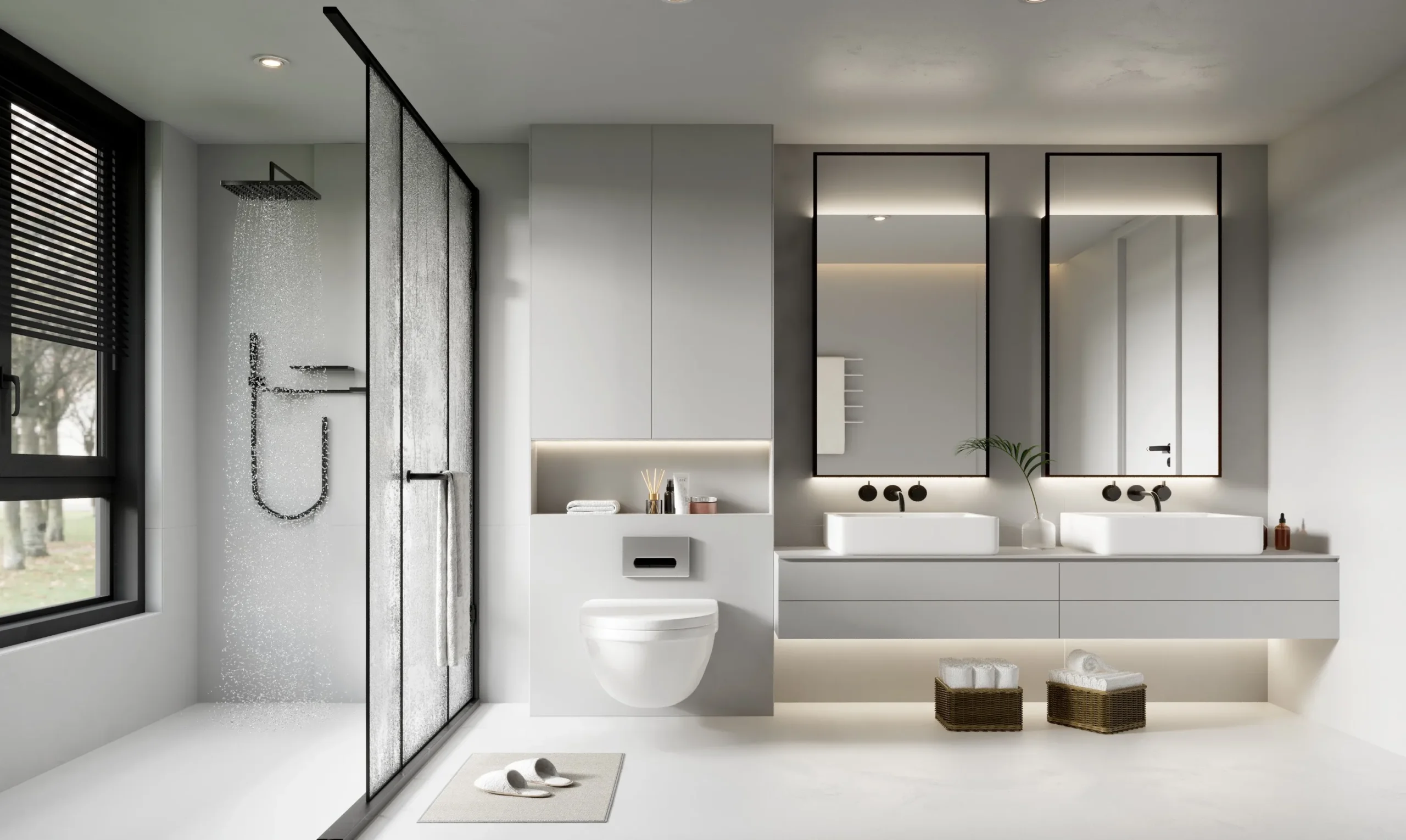
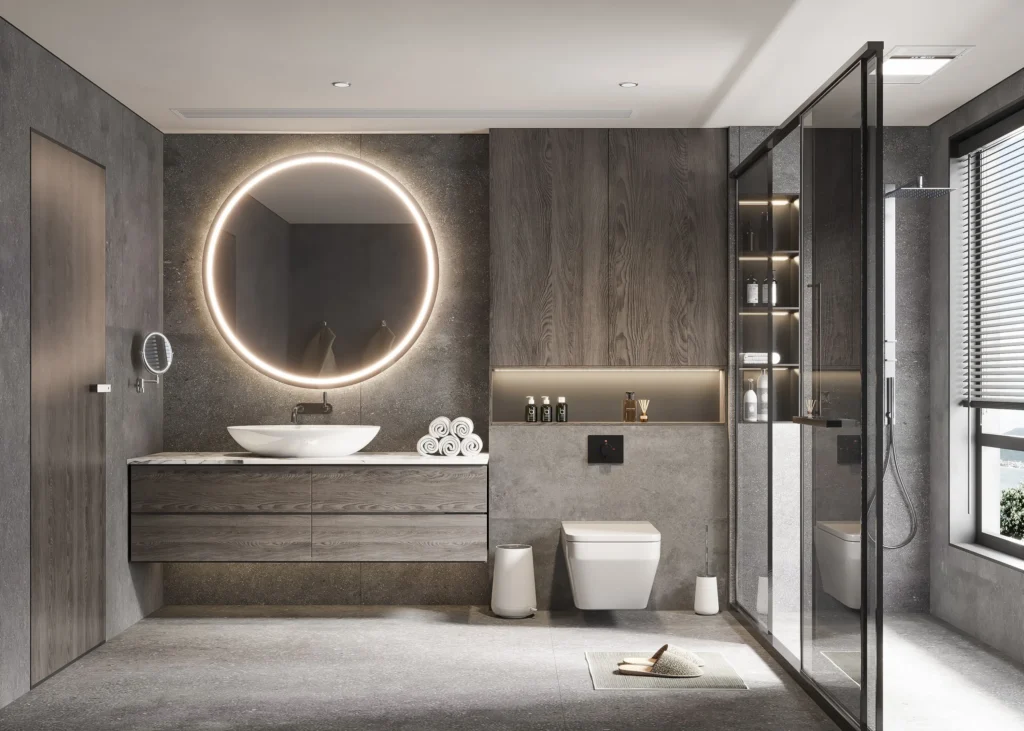
Aluminum Bathroom Vanities: Where Material Choice Matters
A bathroom vanity needs to do more than look good. It must fit the available space, provide practical storage, and withstand the moisture commonly found in bathrooms.
Traditional wood-based cabinet materials can be affected by prolonged moisture exposure, particularly when edges, joints, or surface coatings are damaged. Aluminum-based cabinet structures offer an alternative for bathroom furniture because aluminum itself does not swell or rot in the way wood-based materials can.
However, the performance of a bathroom vanity depends on more than the material alone. Panel construction, edge treatment, hardware, connections, and installation all influence the finished product.
One material worth understanding is the aluminum honeycomb panel. Its lightweight structure and combination of aluminum surface sheets with a honeycomb core make it suitable for a range of furniture and interior applications.
What Is an Aluminum Honeycomb Panel?
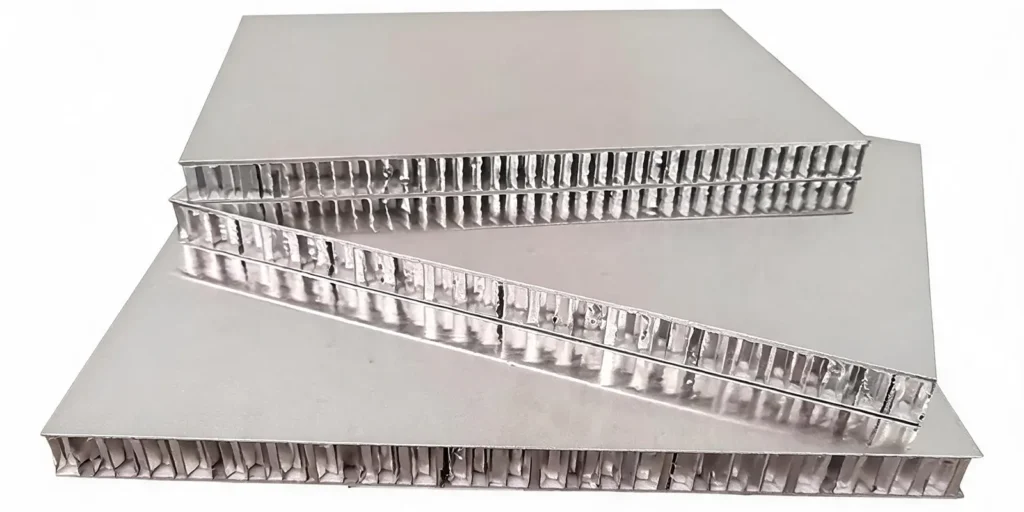
An aluminum honeycomb panel is a composite panel made from aluminum surface sheets and a honeycomb-shaped core. In a typical all-aluminum honeycomb panel, aluminum sheets are bonded to both sides of an aluminum honeycomb core.
The honeycomb core contains a series of connected cells. This structure creates internal spacing between the two surface sheets while helping the panel maintain its shape and stiffness.
Unlike a solid aluminum plate of comparable overall thickness, a honeycomb panel uses a lightweight core instead of filling the entire space with solid metal.
The exact construction varies by product. Surface-sheet thickness, core specifications, bonding methods, total panel thickness, and edge reinforcement can all affect the final performance.
It is also important to distinguish an all-aluminum honeycomb panel from a composite panel that uses an aluminum honeycomb core with a different surface material. Both may contain aluminum honeycomb, but their overall structures are not identical.
Key Benefits of Aluminum Honeycomb Panels
1. Lightweight Structure
One of the main advantages of aluminum honeycomb panels is their lightweight construction relative to many solid panels of similar overall thickness.
The honeycomb core reduces the amount of material needed to fill the space between the surface sheets. This can help reduce panel weight while maintaining useful stiffness.
For furniture manufacturers, lower panel weight can make components easier to handle during production, assembly, and transportation.
The actual weight depends on the panel thickness, aluminum sheet specifications, core structure, and other construction details.
2. Good Stiffness-to-Weight Performance
The spaced surface sheets and honeycomb core work together to provide structural stiffness without using a solid block of material.
This makes aluminum honeycomb panels useful where a relatively lightweight panel needs to maintain its shape under normal service conditions.
For cabinets and furniture, appropriate panel specifications can help balance weight, rigidity, and practical usability.
However, panel stiffness and load-bearing capacity are not determined by the honeycomb structure alone. Panel dimensions, skin thickness, bonding quality, edge support, fixing points, and applied loads must also be considered.
3. Moisture Resistance
Aluminum does not absorb water or swell like wood-based boards. For this reason, an appropriately constructed aluminum honeycomb panel can be a practical choice for furniture used in humid environments.
This property is particularly relevant to bathroom vanities and other bathroom furniture.
Nevertheless, moisture resistance should be evaluated at the product level. Adhesives, edge treatments, hardware, cutouts, and connections may use materials with different moisture tolerances.
A panel containing aluminum does not automatically make the entire cabinet waterproof. Proper design, fabrication, sealing where required, and installation remain important.
4. Corrosion Resistance
Aluminum naturally forms a thin oxide layer that helps protect its surface. Depending on the alloy, finish, surrounding environment, and maintenance, aluminum panels can offer good corrosion resistance.
Surface treatments such as powder coating can provide additional decorative options and protection when properly specified and applied.
For furniture applications, buyers should consider the intended environment and confirm that the selected material and finish are suitable for the expected conditions.
For coastal, industrial, or other demanding environments, the alloy, coating system, and relevant performance requirements deserve particular attention.
5. Flexible Surface Finishes
Aluminum honeycomb panels can be produced with different surface appearances, depending on the panel system and finishing process.
Possible finishes include solid colors, wood-grain effects, stone-inspired patterns, and other decorative surfaces.
This gives designers and furniture manufacturers more options when developing products for different interior styles.
The surface finish should be selected according to the intended application, cleaning requirements, appearance, and expected wear. Not every finishing method is suitable for every panel construction.
6. Dimensional Stability and Practical Maintenance
With suitable specifications and manufacturing quality, aluminum honeycomb panels can maintain their shape well in many furniture applications.
Aluminum components are also not a food source for termites, unlike wood. This can be an advantage in markets where termite damage is a concern.
Routine maintenance is generally straightforward, but the recommended cleaning method depends on the surface finish. Abrasive cleaners or unsuitable chemicals may damage decorative coatings or films.
For long-term performance, buyers should evaluate the complete panel and cabinet construction rather than relying on a single material claim.
Applications of Aluminum Honeycomb Panels
The combination of low weight, stiffness, and design flexibility allows aluminum honeycomb panels to be used in different industries. Their suitability depends on the panel specification and the requirements of each application.
1. Bathroom Vanities and Bathroom Cabinets
Bathroom vanities are one practical application of aluminum honeycomb panels.
Cabinet components made from suitable aluminum-based panels can be designed for humid bathroom environments. Different widths, depths, storage layouts, and surface finishes can be developed to meet residential or commercial project requirements.
For B2B buyers, important considerations include panel thickness, aluminum skin specifications, core structure, edge construction, hardware, basin compatibility, and installation method.
The complete cabinet system should be evaluated before an order is placed.
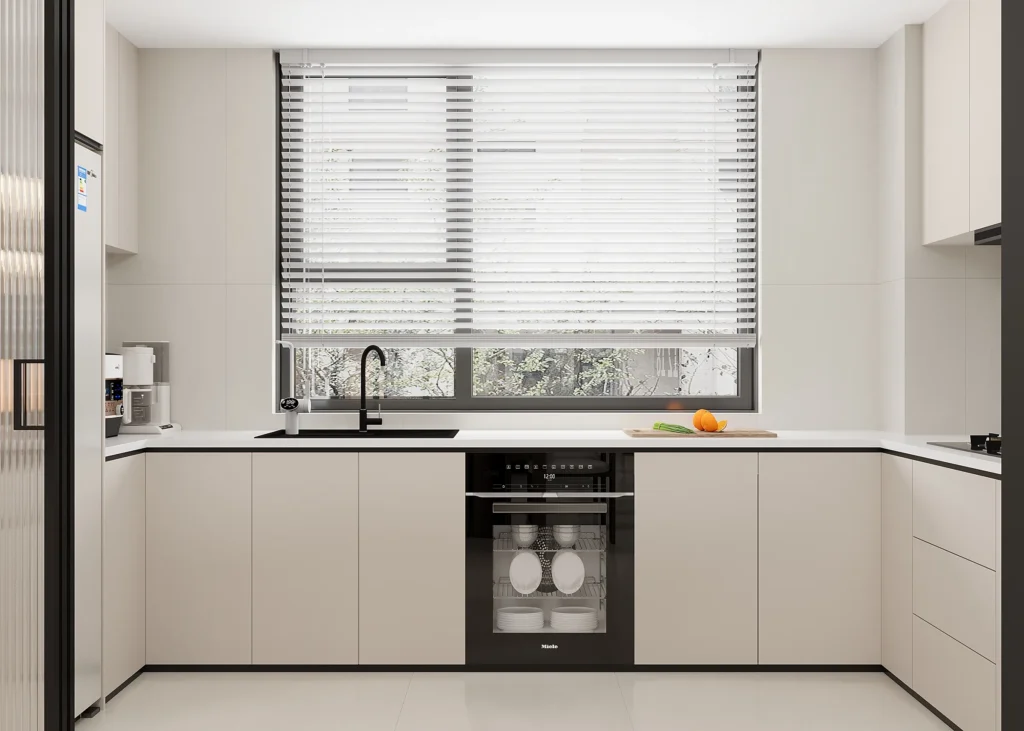
2. Kitchen Cabinets
Aluminum honeycomb panels can also be used in kitchen cabinet applications.
Kitchen furniture needs to accommodate frequent use, cleaning, and exposure to moisture around sinks and work areas. Depending on the design, aluminum-based panels may be suitable for cabinet doors, side panels, and other components.
The correct panel construction and finish should be selected according to the intended function. Areas exposed to heat, heavy loads, or frequent impact may require additional design considerations.
3. Wardrobes and Storage Furniture
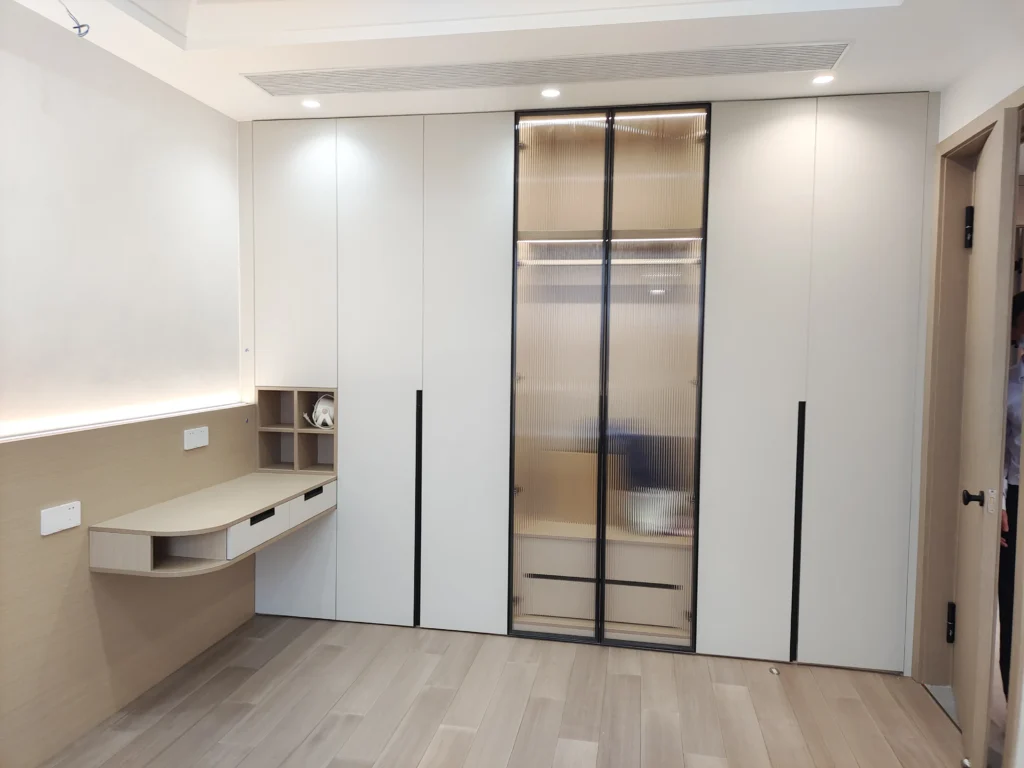
Wardrobes and storage cabinets are another potential application.
Lightweight panels can be useful for large cabinet components, particularly where manageable weight and a consistent appearance are important.
Aluminum honeycomb panels can be combined with different surface finishes to suit modern, minimalist, or wood-inspired interior designs.
For wardrobes, buyers should consider panel stiffness, door dimensions, hinge fixing, edge reinforcement, and the way the panels connect to the overall cabinet structure.
4. Interior Panels and Decorative Applications
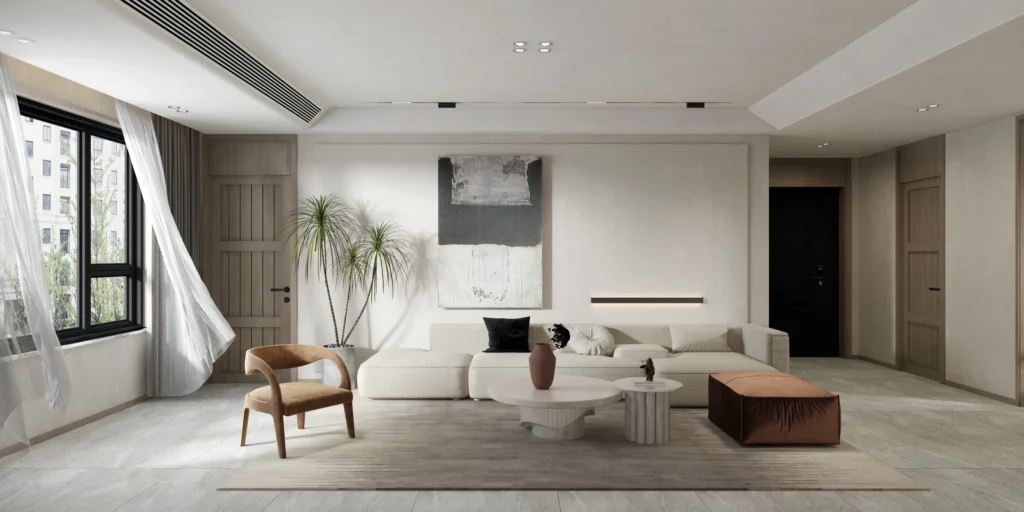
Beyond furniture, aluminum honeycomb panels may be used for selected interior wall panels, partitions, decorative panels, and other architectural applications.
Their relatively low weight can be useful when designing larger panel elements, while the surface finish allows different visual effects.
However, not every furniture-grade panel is suitable for architectural or building applications. Fire performance, structural requirements, fixing systems, environmental exposure, and applicable local regulations must be checked for the intended use.
5. Commercial and Custom Projects
Aluminum honeycomb panels may also be considered for custom furniture and interior projects where the design calls for lightweight panels with a particular surface appearance.
Examples can include fitted storage units, reception furniture, display fixtures, and selected commercial interiors.
The panel must be specified for its actual function rather than selected solely because it is lightweight. Load requirements, panel dimensions, connections, and the operating environment should be confirmed during the design stage.
How to Choose the Right Aluminum Honeycomb Panel
Not all aluminum honeycomb panels have the same specifications. Before selecting a panel for furniture production or a commercial project, buyers should confirm several details.
Aluminum skin thickness: The thickness of the surface sheets affects weight, rigidity, and resistance to dents.
Core specifications: Cell size, core thickness, and core construction influence the panel’s structural characteristics.
Total panel thickness: The overall thickness should suit the intended component and connection design.
Bonding quality: The bond between the surface sheets and core is important for panel integrity.
Edge treatment and reinforcement: Cabinet hardware and fasteners need suitable fixing points. Edges may require additional reinforcement depending on the design.
Surface finish: The finish should match the required appearance, cleaning routine, and service environment.
Testing and documentation: For projects with specific performance requirements, ask for relevant technical data and test documentation rather than relying on general product descriptions.
These details help buyers compare panels on a consistent basis and determine whether a particular construction is suitable for the intended application.
Aluminum Honeycomb Panels: More Than a Lightweight Material
The value of an aluminum honeycomb panel comes from its overall construction, not simply from the fact that it contains aluminum.
Its lightweight structure, useful stiffness, moisture-related advantages, and flexible surface options make it worth considering for bathroom vanities, kitchen cabinets, wardrobes, and selected interior projects.
At the same time, the right choice depends on the application. Panel specifications, manufacturing quality, connections, finishes, and installation requirements all contribute to the final result.
For B2B buyers, understanding these factors is a practical first step toward selecting a panel that meets the needs of a specific product or project.
Explore Aluminum Furniture Solutions
Makorohome focuses on aluminum furniture for B2B applications, including aluminum bathroom vanities, kitchen cabinets, and wardrobes.
Panel structures, dimensions, surface finishes, and cabinet configurations can be considered according to different product and project requirements.
If you are sourcing aluminum furniture or evaluating materials for a new project, contact us to discuss your application, required specifications, and customization needs.